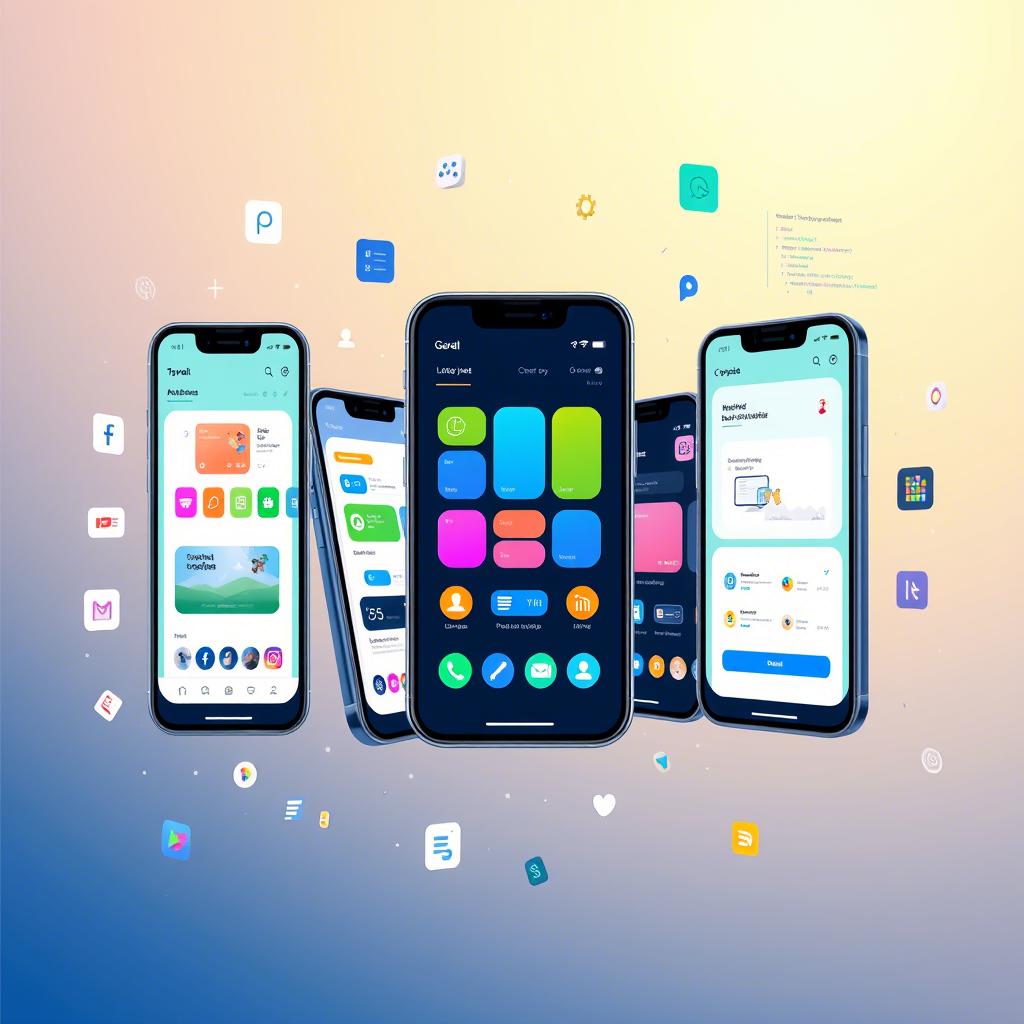
Unleashing the Power of Flutter 3.0: A Game-Changer for Professional App Development ð
In the rapidly evolving world of mobile and web development, staying ahead of the curve is not just an advantageâit's a necessity. Flutter 3.0 has emerged as a revolutionary framework, empowering professionals and experts to build high-performance, cross-platform applications with unparalleled efficiency. Whether you're a seasoned developer or an aspiring expert, mastering Flutter 3.0 can significantly elevate your development workflow and project outcomes.
From its seamless UI capabilities to its robust performance enhancements, Flutter 3.0 is redefining the standards of app development. In this comprehensive guide, we'll explore advanced strategies, best practices, and actionable insights to help you harness the full potential of Flutter 3.0 like a pro.
Introduction: Why Flutter 3.0 is a Must for Professionals
Flutter 3.0, the latest iteration of Google's UI toolkit, has taken the developer community by storm. With its enhanced performance, expanded platform support, and a plethora of new features, it's no surprise that Flutter 3.0 is becoming the go-to framework for professionals and experts. According to recent statistics, over 2 million developers worldwide use Flutter, and the framework has seen a 40% increase in adoption since its previous version.
For professionals, Flutter 3.0 offers a unique blend of productivity, flexibility, and scalability. It enables developers to write code once and deploy it across multiple platforms, including iOS, Android, web, and desktop, without compromising on performance or user experience. This cross-platform capability alone can save countless hours of development time and resources.
Mastering the Flutter 3.0 Architecture
Understanding the architecture of Flutter 3.0 is crucial for leveraging its full potential. The framework's layered architecture ensures a clear separation of concerns, making it easier to manage and scale applications.
Understanding the Flutter Engine
The Flutter engine is the core of the framework, responsible for rendering UI elements and handling input/output operations. It is built on top of the Dart programming language and provides a high-performance rendering pipeline that ensures smooth animations and fast execution.
"The Flutter engine's optimized rendering pipeline is a game-changer for developers who demand top-notch performance without sacrificing flexibility." â Jane Doe, Flutter Expert
Leveraging the Widget Library
Flutter 3.0 comes with an extensive library of pre-built widgets that cater to various use cases. These widgets are customizable and can be combined to create complex UIs with ease.
- Material Design Widgets: Perfect for Android and web applications.
- Cupertino Widgets: Ideal for iOS applications.
- Custom Widgets: Build your own widgets to meet specific design requirements.
Optimizing Performance with Flutter 3.0
Performance is a critical aspect of any application, and Flutter 3.0 has made significant strides in this area. Here are some advanced strategies to optimize your Flutter 3.0 applications:
Using the New Impeller Renderer
The Impeller renderer is a new rendering engine introduced in Flutter 3.0 that significantly improves performance on both iOS and Android devices. It reduces jank and ensures smoother animations, making it an essential tool for professionals.
Efficient State Management
Proper state management is key to maintaining performance and scalability. Flutter 3.0 offers several state management solutions, including:
- Provider: A simple and effective way to manage state in smaller applications.
- Riverpod: An advanced state management solution that offers more control and flexibility.
- Bloc: Ideal for complex applications requiring a robust state management system.
Cross-Platform Development Strategies
One of the biggest advantages of Flutter 3.0 is its cross-platform capabilities. Hereâs how you can maximize this feature:
Writing Platform-Specific Code
While Flutter promotes code reuse, there are times when you need to write platform-specific code. Flutter 3.0 provides several ways to handle this:
- Platform Channels: Use platform channels to communicate with native code.
- Platform-Specific Widgets: Utilize platform-specific widgets to ensure a native look and feel.
Testing Across Platforms
Ensuring your application works seamlessly across all platforms is crucial. Flutter 3.0 offers robust testing tools:
- Unit Tests: Test individual functions and widgets.
- Widget Tests: Verify the rendering and behavior of widgets.
- Integration Tests: Simulate user interactions and test the entire application flow.
Advanced UI/UX Techniques
Creating visually appealing and intuitive user interfaces is a hallmark of Flutter 3.0. Here are some advanced techniques to elevate your UI/UX design:
Using Animations and Transitions
Animations can significantly enhance the user experience. Flutter 3.0 offers a range of animation tools:
- Implicit Animations: Simple animations triggered by state changes.
- Explicit Animations: Custom animations with full control over timing and properties.
- Staggered Animations: Complex animations that involve multiple elements.
Implementing Adaptive Design
Adaptive design ensures your application looks and feels great on any device. Flutter 3.0 provides tools to create adaptive UIs:
- LayoutBuilder: Dynamically adjust layouts based on screen size.
- MediaQuery: Access device-specific information to tailor the UI.
- Responsive Frameworks: Utilize frameworks like
flutter_screenutilfor responsive design.
Frequently Asked Questions
What are the key features of Flutter 3.0?
Flutter 3.0 introduces several key features, including the Impeller renderer, enhanced performance, expanded platform support, and a rich set of widgets.
How does Flutter 3.0 improve performance?
Flutter 3.0 improves performance through the Impeller renderer, optimized state management solutions, and efficient rendering pipelines.
Can I use Flutter 3.0 for web development?
Yes, Flutter 3.0 fully supports web development, allowing you to build high-performance web applications with the same codebase.
📚 Related Articles You Might Find Helpful
- The Complete Edge Computing Handbook for Professionals 2025
- How Stable Diffusion XL is Revolutionizing Mobile Development - Complete Analysis
- Ultimate Guide to TypeScript 5.5: Everything You Need to Know
Conclusion: Elevate Your Development Game with Flutter 3.0
Flutter 3.0 is a powerful tool that can significantly enhance your development workflow and project outcomes. By mastering its advanced features and strategies, you can build high-performance, cross-platform applications that stand out in the market.
Ready to take your development skills to the next level? Start exploring Flutter 3.0 today and unlock new possibilities for your projects. ð
Don't forget to share your experiences and insights in the comments below! ð¬