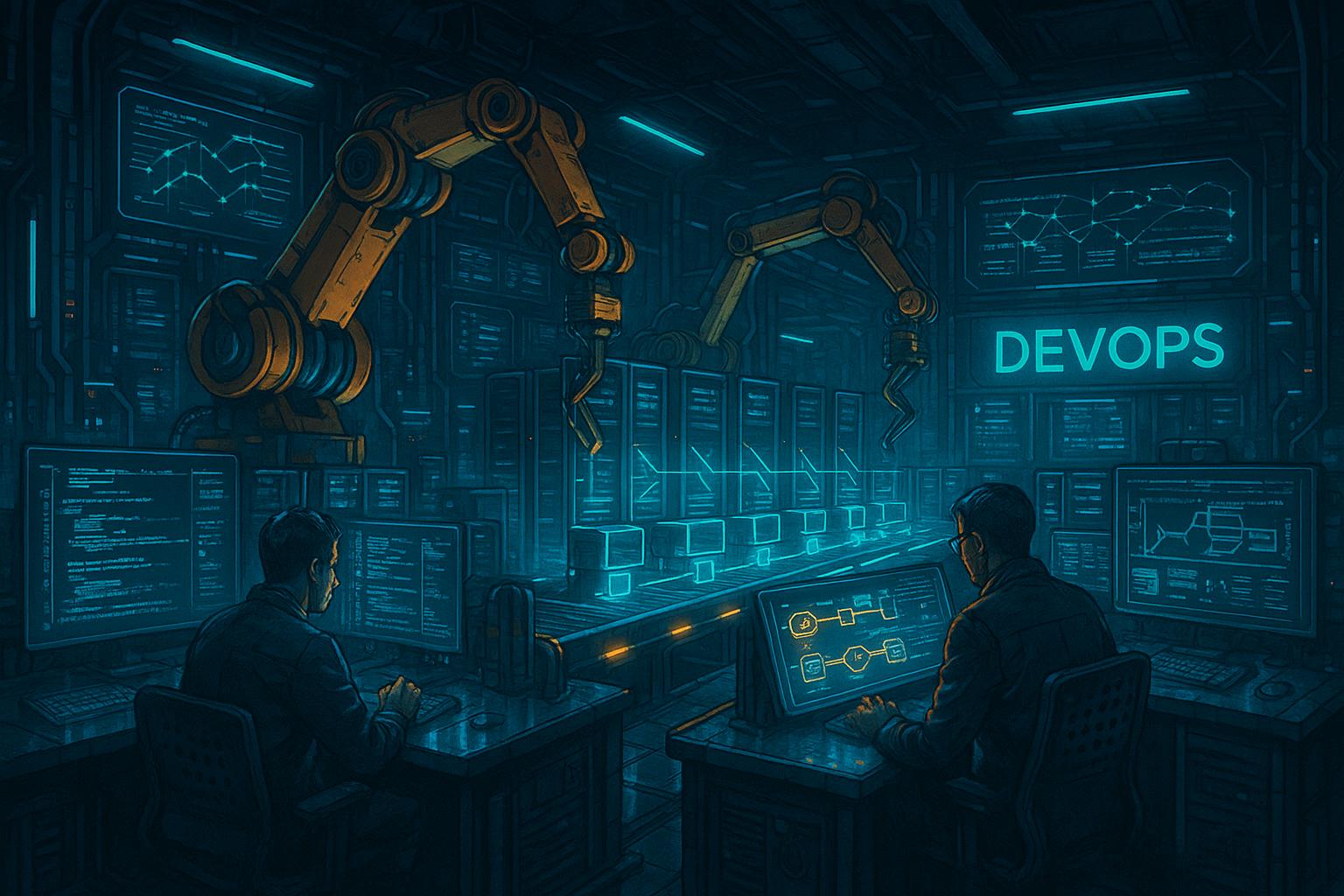
Imagine a world where your team collaborates seamlessly, where repetitive tasks vanish into automation, and where productivity soars without the constant need for manual intervention. That world isnât a distant dreamâitâs the reality businesses are embracing today through Slack automation. As companies continue to digitize their workflows, automation within Slack is becoming the backbone of efficient communication and task management.
Introduction
Slack has become more than just a messaging platformâitâs a productivity powerhouse. With the rise of AI and workflow automation tools, businesses are leveraging Slack automation to streamline operations, enhance team collaboration, and reduce the burden of mundane tasks. This year, several key trends are set to revolutionize how companies use Slack, making it an indispensable tool for modern workplaces.
In this guide, weâll explore the top Slack automation trends that will dominate business this year. Whether youâre a small startup or a large enterprise, understanding these trends will help you stay ahead of the curve and maximize efficiency.
The Rise of AI-Powered Slack Automation
Artificial intelligence is transforming how businesses automate tasks within Slack. AI-driven automation tools are making it possible to handle complex workflows with minimal human intervention.
AI Chatbots for Customer and Internal Support
AI-powered chatbots within Slack are revolutionizing customer support and internal queries. These bots can answer FAQs, route tickets to the right team, and even resolve common issues without human input.
"AI chatbots in Slack reduce response times by up to 60%, allowing teams to focus on high-priority tasks." â TechCrunch
Predictive Automation for Proactive Workflows
Predictive automation uses machine learning to anticipate tasks before they arise. For example, a bot can remind a team about an upcoming deadline or suggest automating recurring meetings based on past behavior.
Seamless Integration with Third-Party Tools
Slackâs vast ecosystem of integrations is a game-changer for automation. Businesses are connecting Slack with CRM systems, project management tools, and more to create end-to-end automated workflows.
CRM Automation for Sales and Marketing Teams
Integrating Slack with CRM platforms like Salesforce or HubSpot allows sales teams to automate lead follow-ups, update customer records, and track deal progressâall without leaving Slack.
Project Management Automation for Agile Teams
Tools like Asana, Trello, and Jira can sync with Slack to automate task assignments, status updates, and sprint planning. This ensures teams stay aligned without constant manual updates.
Automated Workflow Triggers and Actions
Workflows in Slack allow teams to set up custom automation sequences based on triggers and actions. This minimizes repetitive work and keeps teams focused on strategic tasks.
Automating Approval Processes
Approval workflows can be automated within Slck, reducing delays in project sign-offs. For example, a marketing team can set up an automated approval process for campaigns, where managers receive notifications and approve or reject requests directly in Slack.
Scheduled Automations for Recurring Tasks
From daily stand-up reminders to monthly report generation, scheduled automations ensure that routine tasks are handled effortlessly. Teams can set up these automations once and forget about them.
Enhanced Security and Compliance Automation
As remote work continues to grow, businesses must ensure secure and compliant communication. Slack automation plays a crucial role in maintaining security protocols.
Automated Data Privacy Compliance
Automated tools can scan messages for sensitive information, flag violations, and even delete messages that violate compliance policies, ensuring businesses stay compliant with regulations like GDPR.
Role-Based Access Control (RBAC) Automation
Automating role-based access control ensures that employees only see the information relevant to their roles, reducing the risk of data leaks and unauthorized access.
The Growth of No-Code Automation Solutions
No-code automation platforms are making it easier for non-technical teams to automate workflows in Slack without writing a single line of code.
Drag-and-Drop Workflow Builders
Tools like Zapier, Integromat, and Slackâs native Workflow Builder allow teams to create complex automations with simple drag-and-drop interfaces. This democratizes automation, making it accessible to everyone.
Pre-Built Templates for Common Use Cases
Many automation platforms offer pre-built templates for common workflows, such as onboarding new employees, tracking project deadlines, or managing customer support tickets. These templates make it easy to get started quickly.
Real-Time Analytics and Performance Tracking
Automation isnât just about reducing manual workâitâs also about gaining insights. Businesses are using Slack automation to track performance and optimize workflows in real time.
Automated Reporting and Dashboards
Automated reports can be generated and shared in Slack channels, providing teams with up-to-date insights on project progress, team performance, and customer feedback.
Sentiment Analysis for Team Engagement
AI-powered sentiment analysis tools can monitor team conversations to gauge morale, engagement levels, and potential burnout risks. This helps managers take proactive measures to improve team well-being.
Frequently Asked Questions
How can I get started with Slack automation?
Start by identifying repetitive tasks in your workflow and explore Slackâs native automation features or third-party tools like Zapier. Many platforms offer free trials, so you can test before committing.
Is Slack automation suitable for small businesses?
Absolutely! Slack automation is scalable and can benefit businesses of all sizes. Small teams can start with simple automations and expand as needed.
What are the best tools for Slack automation?
Some of the top tools include:
- Zapier (for connecting Slack with 3,000+ apps)
- Integromat (for advanced automation workflows)
- Slack Workflow Builder (built-in automation tool)
- Botkit (for custom bot development)
📚 Related Articles You Might Find Helpful
- Best AI Code Assistants Tools and Platforms You Must Try in 2025
- Future of Quantum Computing - Trends, Predictions & What to Expect
- The Complete dbt Data Transform Handbook for Professionals 2025
Conclusion
Slack automation is no longer a luxuryâitâs a necessity for businesses looking to stay competitive. From AI-driven chatbots to no-code automation solutions, the trends weâve explored are reshaping how teams collaborate and work efficiently.
Ready to transform your workplace with Slack automation? Start exploring these trends today and see how they can streamline your operations. The future of work is automatedâare you ready to embrace it?
ð Take the first step by identifying one repetitive task you can automate in Slack this week! ð