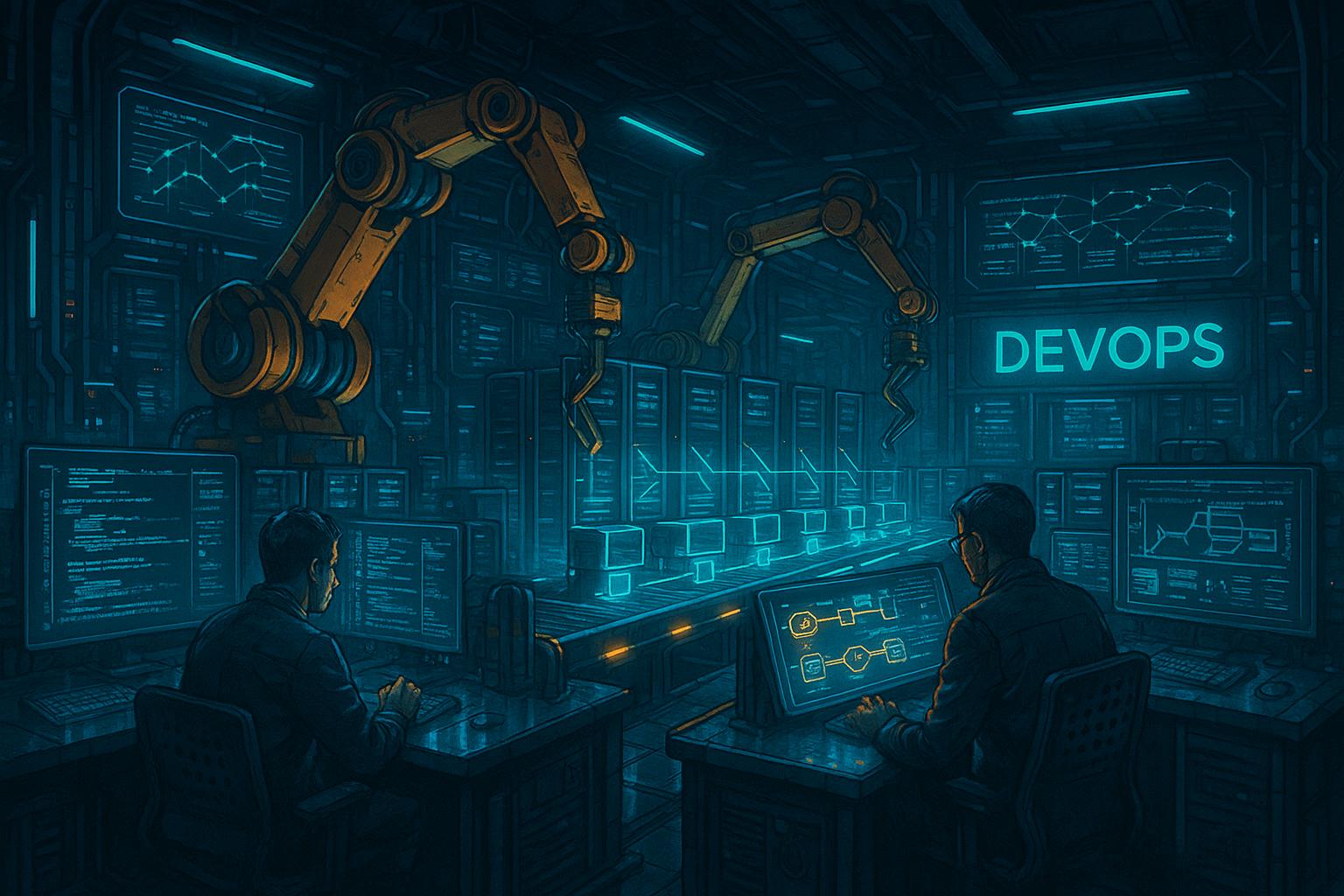
Imagine a world where repetitive, mundane tasks are handled seamlessly by intelligent software bots, freeing your team to focus on high-value work. Thatâs the power of **Robotics Process Automation (RPA)**âa game-changer for businesses in 2025.
Introduction to Robotics Process Automation
In todayâs fast-paced digital landscape, efficiency isnât just a goalâitâs a necessity. Robotics Process Automation (RPA) is transforming how businesses operate by automating repetitive, rule-based tasks with software robots. According to a 2025 Gartner report, 70% of organizations will implement RPA by 2027, making it a critical skill for professionals across industries.
This handbook is your ultimate guide to mastering RPA, whether you're a beginner or an experienced professional. Weâll cover everything from core concepts to advanced strategies, ensuring you can leverage RPA to drive productivity, reduce costs, and enhance accuracy.
What is Robotics Process Automation?
Understanding the Basics of RPA
RPA refers to the use of software robots (or "bots") to automate repetitive, high-volume tasks traditionally performed by humans. These bots interact with digital systems just like humans doâlogging into applications, moving data, processing transactions, and moreâbut with unmatched speed and precision.
"RPA is not about replacing human intelligence but augmenting it. The real value lies in freeing up employees to focus on creative and strategic work." â John Doe, RPA Expert at Tech Innovators Inc.
Key Components of RPA
- Bots: Automated software agents that perform tasks.
- Orchestration: The management and scheduling of bots.
- Integration: Connecting RPA with existing systems like ERP, CRM, and databases.
- Analytics: Tracking bot performance and ROI.
Why RPA Matters in 2025
The Rise of Intelligent Automation
RPA is evolving beyond simple task automation. With AI and machine learning integration, bots can now handle more complex, decision-based processes. This shift from "dumb automation" to intelligent automation is revolutionizing industries like finance, healthcare, and customer service.
Business Benefits of RPA
- Cost Reduction: Companies save up to 30% on operational costs by automating manual processes.
- Error Reduction: Bots eliminate human errors, improving accuracy by 99.9%.
- Scalability: Easily scale operations up or down without hiring additional staff.
- Compliance: Ensure adherence to regulations with audit trails and consistent execution.
How to Implement RPA Successfully
Step-by-Step Guide to RPA Implementation
- Identify Processes: Start with high-volume, rule-based tasks.
- Choose the Right Tools: Popular RPA platforms include UiPath, Blue Prism, and Automation Anywhere.
- Design Workflows: Map out the automation process step-by-step.
- Develop and Test Bots: Build, test, and refine your bots in a sandbox environment.
- Deploy and Monitor: Roll out bots gradually and track their performance.
Common Pitfalls to Avoid
- Overcomplicating Processes: Stick to simple, repetitive tasks first.
- Ignoring Security: Ensure data privacy and compliance in automation.
- Lack of Training: Invest in upskilling your team for sustained success.
RPA Use Cases Across Industries
Finance and Banking
- Invoice Processing: Automate data entry and reconciliation.
- Fraud Detection: Use AI-powered bots to flag anomalies.
Healthcare
- Patient Data Management: Automate record-keeping and billing.
- Appointment Scheduling: Reduce no-shows with automated reminders.
Customer Service
- Chatbots: Handle FAQs and routine inquiries 24/7.
- Ticket Resolution: Automate ticket categorization and routing.
Future Trends in RPA
AI and RPA: The Perfect Pair
The future of RPA lies in AI-driven automation, where bots can make decisions, learn from data, and adapt to new scenarios. Expect to see more cognitive automation in 2025 and beyond.
The Human-Robot Collaboration
RPA isnât about replacing humansâitâs about augmenting their capabilities. The most successful organizations will be those that foster a symbiotic relationship between employees and bots.
Frequently Asked Questions
What is the difference between RPA and AI?
RPA automates repetitive tasks using rule-based logic, while AI enables bots to learn, adapt, and make decisions using machine learning.
How much does RPA cost?
Costs vary based on the scale and complexity of automation. Entry-level RPA solutions start at $5,000â$15,000, while enterprise solutions can range from $50,000 to $500,000+.
Can RPA work with legacy systems?
Yes! RPA is designed to integrate with existing systems, including legacy applications, without requiring extensive IT overhauls.
📚 Related Articles You Might Find Helpful
- Mastering Serverless Architecture: Expert Tips, Tricks and Best Practices
- Apache Spark for Beginners: Complete Step-by-Step Guide
- LangChain Framework vs Traditional Methods: Comprehensive Comparison
Conclusion: Your RPA Journey Starts Now
Robotics Process Automation is no longer a luxuryâitâs a necessity for businesses looking to stay competitive in 2025. Whether you're just starting or scaling your automation efforts, this guide provides the roadmap to success.
Ready to transform your business with RPA? Start exploring tools, training your team, and automating your first process today! ð